Yesterday I took a long walk along the beach by my house. To say I’m grateful for this place at this time in my life would be an understatement. I’m not grateful. I’m thankful.
I’m thankful because I know what I have in this life was ultimately gifted to me. It’s not a perchance stumbling across my circumstances and the things that are beautiful. It’s a gift. As I wiggled and danced my way along the dunes, racing the sunset home, I was reflecting on the following:
Gratitude is like standing on the sidelines at a social dance evening. You’re there, you’ve shown up. Your eyes are taking in the scene. Perhaps even a smile shows up on your face along with your bodily presence in the room.
But thankfulness – oh thankfulness – it is so much richer. Thankfulness is stepping in and joining the dance. It is immediately relational. It forms a connection. It is an all-in action, rather than an inner thought.
With vulnerability, you sway onto the floor. Gently tapping your feet, your arms beginning to move alongside you. Of course, at that moment you feel noticed. You’re in the arena now. There are others there with which you’re interacting.
The dance of thankfulness is a beautiful one. When we express our gratitude rather than it being an inner thought of sense of being, thankfulness emerges and creates relational bonds. It also creates humility. It sustains community. It’s the cha-cha of a friendship. At times we are in need of a dance partner to guide our steps and take the lead (to be honest, it’s most times). That’s okay. That’s humanity.
It would be an interesting sight, but a strange thing, to see people on a dance floor totally unaware of each other. The act of dance is most alive when it provokes interaction. Joy. Vulnerability with one another. An ebbing and flowing.
So step out from the sidelines. Take your gratitude and speak of it. Turn it from an observational sport into a relational one: dance to the rhythm of thankfulness, and show the dance partners of your life that you notice them and that they matter.
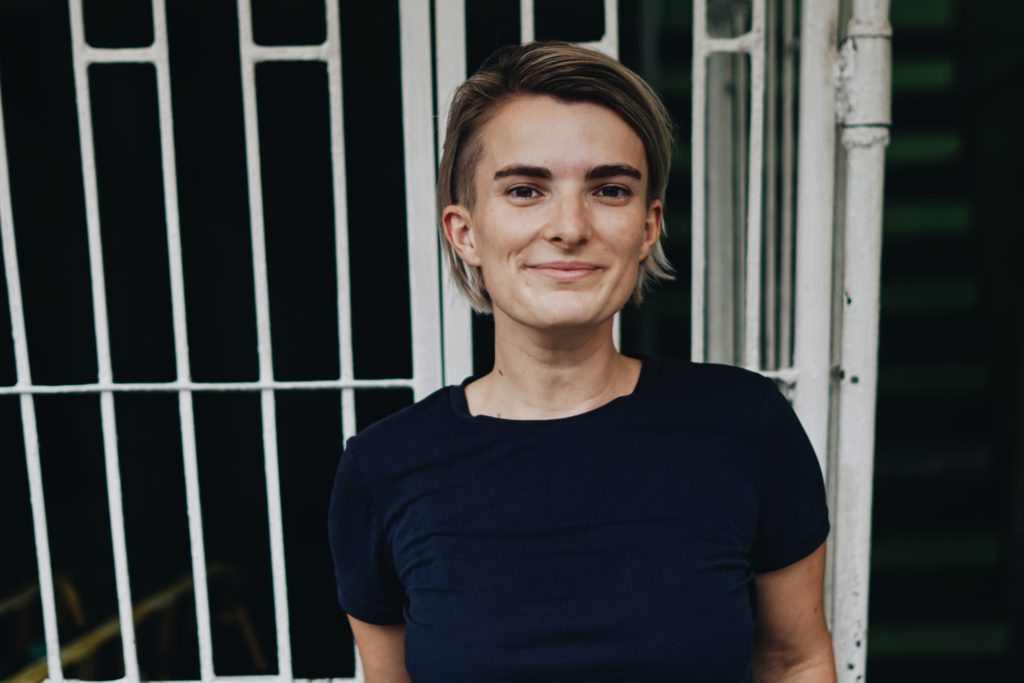
WRITER: Ruth Hodge